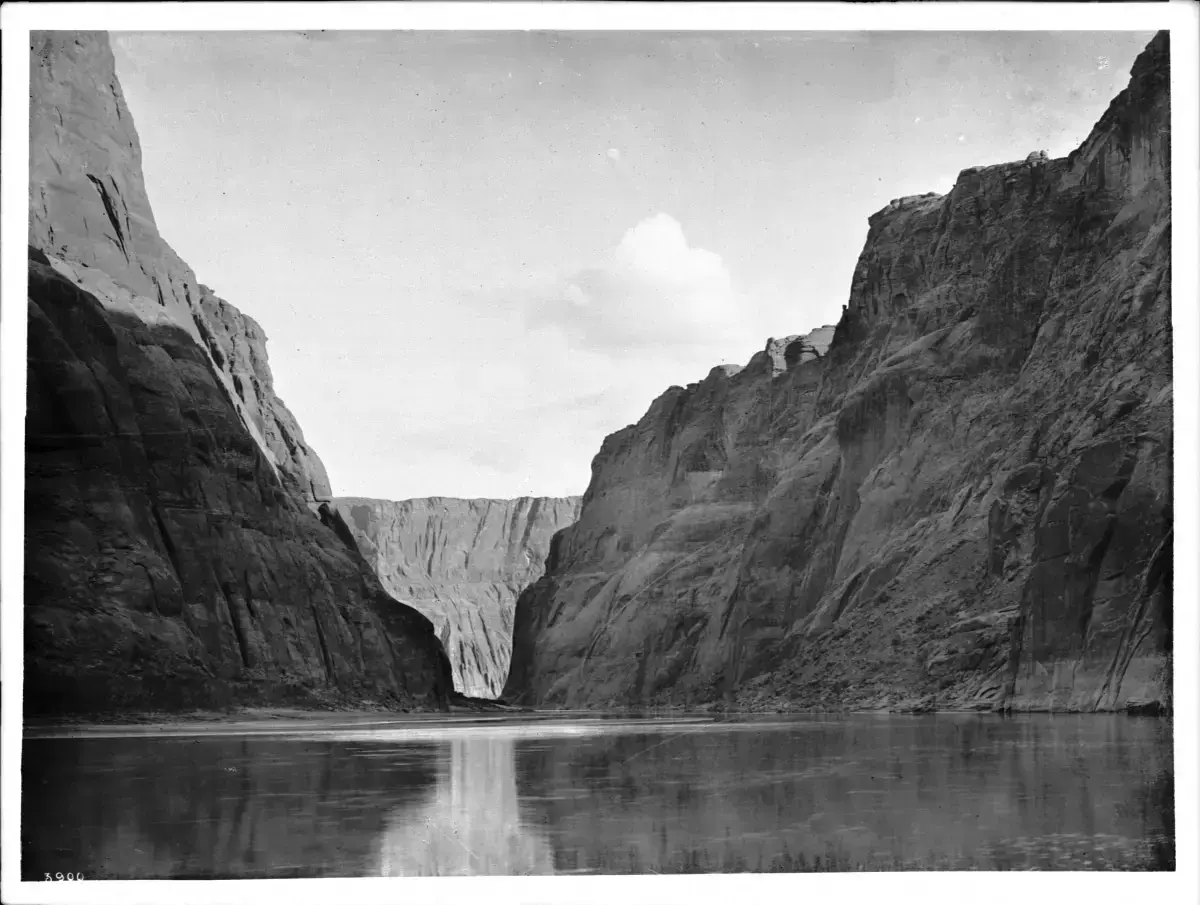
- What are the best months to raft in Grand Canyon?
- The destination catalog lists April, May, June, July, August, September as the typical season to raft in Grand Canyon. Compare that seasonal guide with the latest available condition timestamp before planning.
- What are current whitewater conditions at Grand Canyon?
- Weather data unavailable temporarily The page shows the observation time when one is available and labels missing freshness explicitly.
- How do I find cheap flights to Grand Canyon?
- The nearest catalog airport to Grand Canyon is FLG. When conditions qualify for the Peak tier, choose an origin and date to run an explicit fare check. A displayed fare is not a reservation and can change before checkout.
- What makes conditions 'epic' for whitewater at Grand Canyon?
- PeakSeek converts sport-specific weather and water inputs into a 0–100 condition score. Each visible point comes from a named factor in this versioned methodology. For Grand Canyon, the tracked factors are river flow, water temperature, precipitation, flow stability. The Peak tier begins at 85/100 under methodology 2026.07.1.
- Is Grand Canyon good for whitewater right now?
- The latest available condition result for Grand Canyon is rated poor (0/100) under methodology 2026.07.1. Weather data unavailable temporarily Confirm the displayed observation time and local safety guidance before acting.
- How does PeakSeek score whitewater conditions at Grand Canyon?
- Methodology 2026.07.1 scores river flow, water temperature, precipitation, and flow stability. Its published factor thresholds are River flow: 2,000–6,000 cfs optimal; 1,000–10,000 cfs good; Water temperature: 15–22°C comfortable; 10–25°C cool; Precipitation: Dry is best; below 0.3 in the live reading's displayed unit remains scored; Flow stability: More than 48 hours since rain is best. Every displayed contribution comes from this versioned evaluator contract.
- What are the limits of the Grand Canyon condition score?
- Flow is scored in cubic feet per second and is not a substitute for gauge-specific guidance. Forecasts and modeled conditions can differ from conditions at the site. Precipitation evidence labels the provider-specific rate: OpenWeather values are normalized to in/hr, while Tomorrow.io values remain mm/hr to preserve the accepted legacy calculation. The score is guidance, not a safety forecast; check local reports and official warnings before travel or participation.