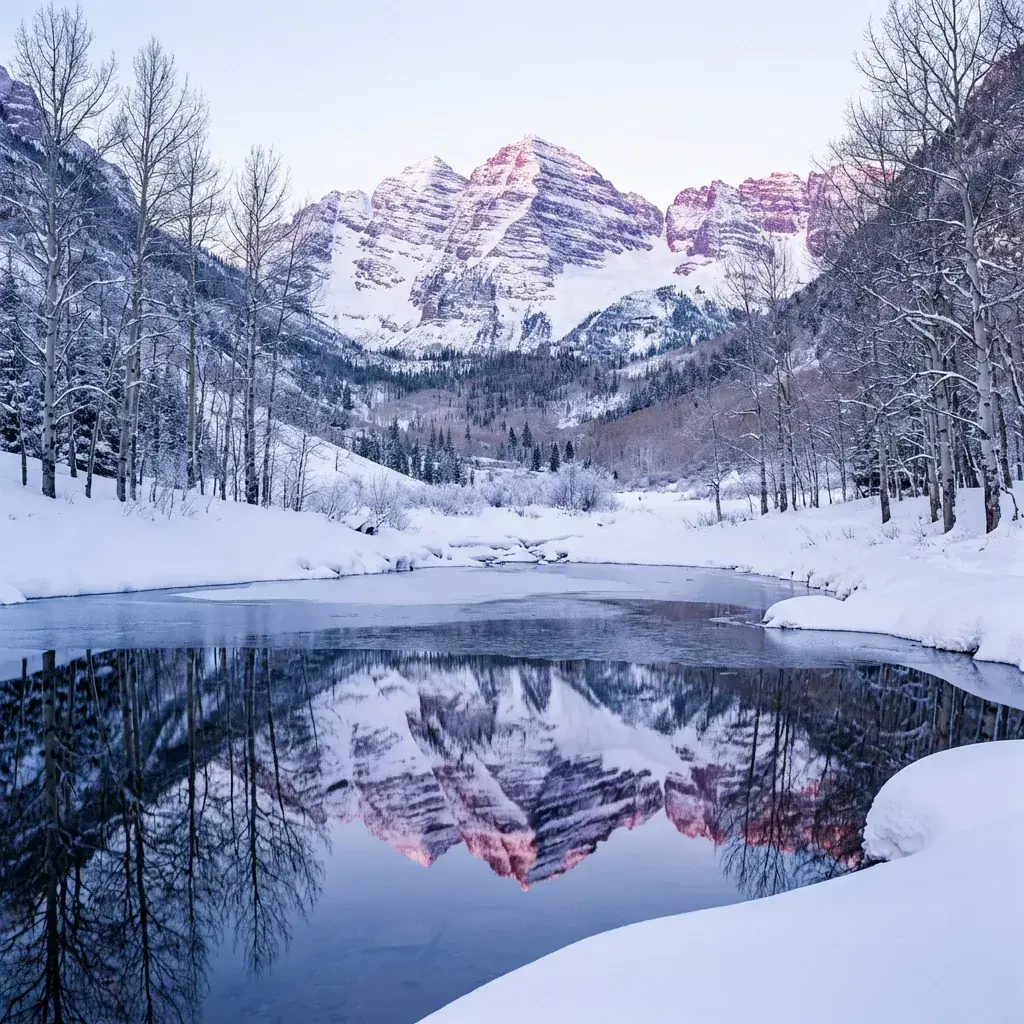
Colorado, USA
Weather data unavailable temporarily
Powder Skiing
Peak powder skiing conditions
ASE Aspen/Pitkin County
December, January, February
advanced
Conditions are a forecast, not a safety guarantee. Confirm current conditions with official, local sources before you travel — conditions can change between hourly updates.
Search for the best deals
Fares are tied to this exact date. Choose a date within the displayed search window.
Flying to
Aspen
ASE Airport
Conditions are not currently Epic, so no live fare search ran.
Aspen (Colorado, USA) is a powder destination monitored hourly by PeakSeek. Current conditions are Poor (0/100), methodology 2026.07.1. Weather data unavailable temporarily Best months to visit: December, January, February, March. Difficulty: advanced. Nearest airport: ASE. Content refresh time unavailable.
Optional trip planning
These partner panels stay hidden and make no provider requests until they are useful, so conditions and fares remain primary.
Nothing in this section has been mounted or requested yet.
Conditions are not Epic
No live provider search ran for this route
