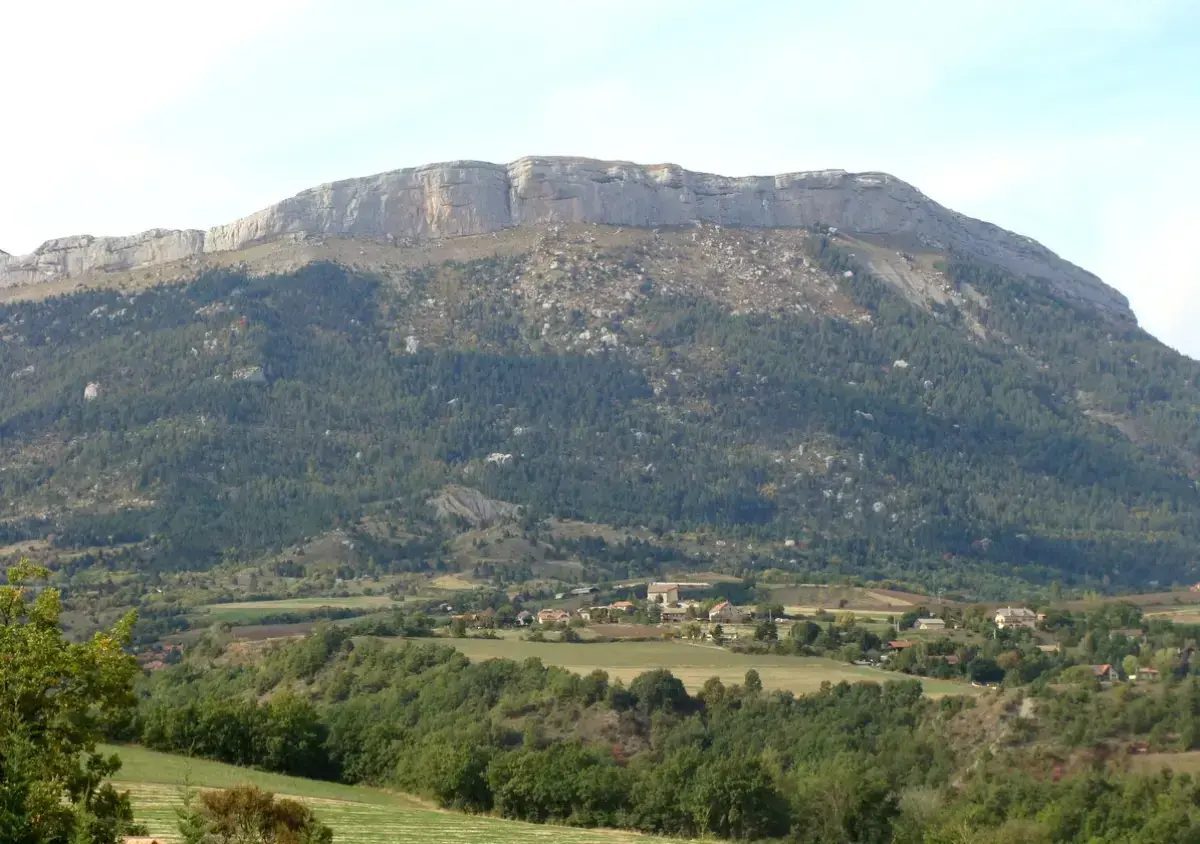
- What are the best months to climb in Céüse?
- The destination catalog lists June, July, August, September as the typical season to climb in Céüse. Compare that seasonal guide with the latest available condition timestamp before planning.
- What are current climbing conditions at Céüse?
- Weather data unavailable temporarily The page shows the observation time when one is available and labels missing freshness explicitly.
- How do I find cheap flights to Céüse?
- The nearest catalog airport to Céüse is MRS. When conditions qualify for the Peak tier, choose an origin and date to run an explicit fare check. A displayed fare is not a reservation and can change before checkout.
- What makes conditions 'epic' for climbing at Céüse?
- PeakSeek converts sport-specific weather and water inputs into a 0–100 condition score. Each visible point comes from a named factor in this versioned methodology. For Céüse, the tracked factors are temperature, precipitation, rock drying time, wind speed, humidity. The Peak tier begins at 85/100 under methodology 2026.07.1.
- Is Céüse good for climbing right now?
- The latest available condition result for Céüse is rated poor (0/100) under methodology 2026.07.1. Weather data unavailable temporarily Confirm the displayed observation time and local safety guidance before acting.
- How does PeakSeek score climbing conditions at Céüse?
- Methodology 2026.07.1 scores temperature, precipitation, drying time, wind, and humidity. Its published factor thresholds are Temperature: 50–70°F ideal; 40–80°F good; 30–85°F acceptable; Precipitation: Dry is best; below 0.02 in the live reading's displayed unit is light mist; Rock drying time: More than 48 hours is best; Wind speed: Below 8 mph is best; below 25 mph remains scored; Humidity: Below 40% is best; below 80% remains scored. Every displayed contribution comes from this versioned evaluator contract.
- What are the limits of the Céüse condition score?
- Rock type, seepage, shade, and local closures are not scored. The legacy temperature bands are Fahrenheit while some upstream feeds may be normalized differently; verify the displayed factor value. Forecasts and modeled conditions can differ from conditions at the site. Precipitation evidence labels the provider-specific rate: OpenWeather values are normalized to in/hr, while Tomorrow.io values remain mm/hr to preserve the accepted legacy calculation. The score is guidance, not a safety forecast; check local reports and official warnings before travel or participation.